One of the most damaging forces in Return to Play (RTP) management isn’t lack of knowledge, poor programming, or outdated rehab methods.
It’s bullying.
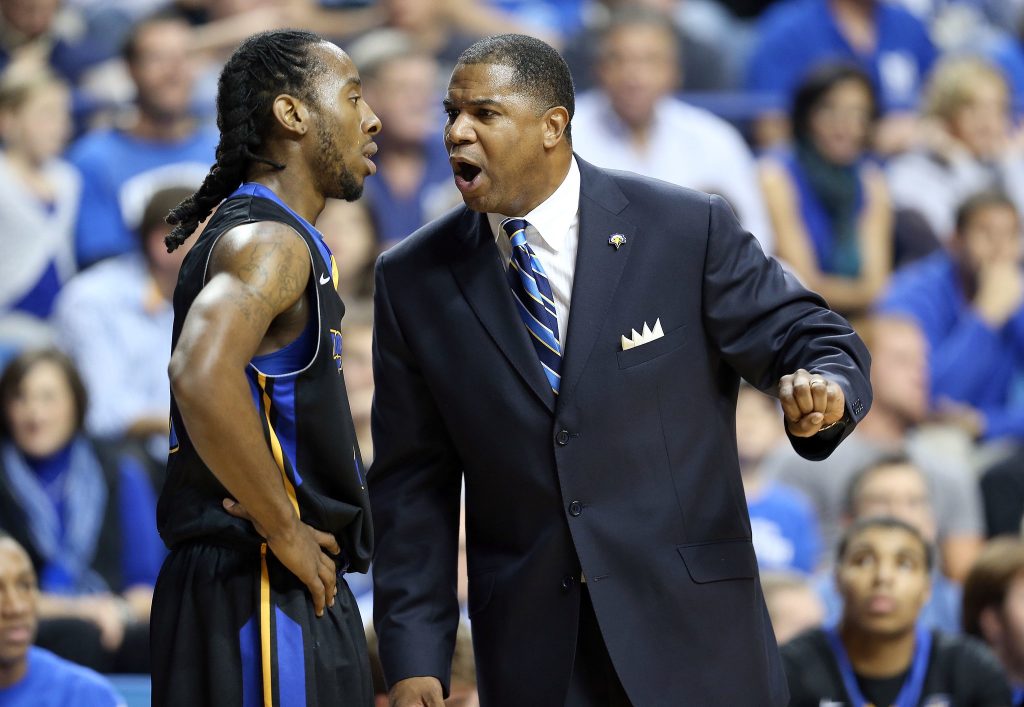
I’ve seen it too many times: an athletic trainer or medical professional being leaned on—sometimes subtly, sometimes aggressively—by a head coach or administrator to “get a kid back out there.” Not because the athlete is ready, but because the scoreboard, the depth chart, or the season demands it.
This is where RTP systems either protect athletes—or expose them.
Pressure Disguised as Leadership
Let’s be clear: head coaches are not villains by default. They are competitors. They are wired to solve problems and win games. But competition does not grant medical authority.
When a head coach questions medical timelines, pushes for early clearance, or undermines clinical judgment, it creates a dangerous dynamic:
- Athletic trainers feel isolated
- Medical decisions become political
- Athletes feel torn between health and loyalty
- Long-term careers are traded for short-term wins
That isn’t leadership. That’s pressure masquerading as urgency.
The Other Extreme: Coddling Athletes
The solution is not to swing to the opposite extreme.
I’ve also seen athletes overprotected, underloaded, and never challenged once symptoms calm down. This is just as damaging. Coddling delays adaptation, erodes confidence, and leaves athletes unprepared for the demands they’ll face when competition inevitably returns.
RTP is not about comfort.
It’s about earned exposure.
Athletes must be pushed—strategically, progressively, and at the right time. Stress is not the enemy; poorly timed stress is.
Where Head Coaches Fit—and Where They Don’t
Head coaches play a vital role in RTP:
- Creating a culture that respects medical authority
- Supporting staged reintegration into practice
- Managing expectations with athletes and parents
- Reinforcing that health decisions are not negotiable
What they do not control:
- Medical timelines
- RTP entry points
- Phase or stage advancement
- Clearance decisions
Those belong to licensed medical professionals—period.
When coaches overstep, they don’t just risk the athlete; they undermine the entire support system.
Protecting the Athletic Trainer
Athletic trainers sit at the most vulnerable intersection of RTP. They are close to the athlete, present daily, and often caught between medical standards and performance pressure.
Strong RTP systems protect them by:
- Establishing clear governance rules
- Defining who has authority at each phase
- Using objective KPIs and exit markers
- Removing clearance decisions from emotional environments
When standards are written and enforced, athletic trainers don’t have to “fight” for the athlete—the system does it for them.
The Athlete Should Never Be the Tie-Breaker
Nothing is more unfair than putting the decision on the athlete.
Young athletes especially will almost always choose to play—even when it’s not in their best interest. That’s not toughness; that’s vulnerability.
A well-run RTP system removes the athlete from the decision loop. Readiness is demonstrated, measured, and validated—not voted on.
The Real Standard
At Aruka, we believe in this balance:
- No bullying medical professionals into premature return
- No coddling athletes through underexposure
- No emotional clearance decisions
- No coach-driven timelines
RTP succeeds when:
- Medical authority is respected
- Performance progression is structured
- Stress is applied intentionally
- Everyone knows their role
Final Thought
The bully in RTP isn’t always loud.
Sometimes it’s a look.
Sometimes it’s a comment.
Sometimes it’s “just this one rep.”
But every time medical authority is overridden, the athlete pays the price.
Protect the process.
Protect the professionals.
Push athletes when it’s time.
And never let pressure decide what physiology hasn’t earned.
Leave a Reply